
During the Introduction to SEO session at SES New York, Carolyn Shelby (@CShel), Director of SEO, Chicago Tribune/435 Digital, fully explained the extreme value SEO can deliver to a site, and stressed the importance of basic SEO using the following analogy:
Skipping the basics and spending all your time and money on social and fancy stuff is the same as skipping brushing your teeth and showering, but buying white strips and wearing expensive cologne, Shelby said.
Although the Introduction to SEO session was intended for industry newcomers, Shelbys tips offer important reminders for even experienced SEO professionals who have been optimising sites for years.
The goal of foundational SEO isnt to cheat or game the search engines. The purpose of SEO is to:
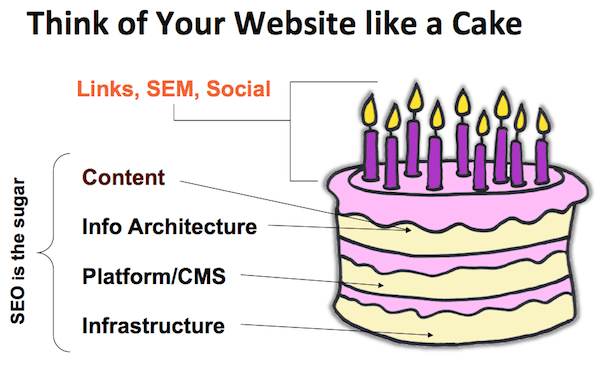
Your links, paid search, and social media acts as the icing, but your content, information architecture, content management system, and infrastructure act as the sugar and makes the cake. Without it, your cake is tasteless, boring, and gets thrown in the bin.

Search engines want to do their jobs as best as possible by referring users to websites and content that is the most relevant to what the user is looking for. So how is relevancy determined?
Search engine spiders only have a certain amount of data storage, so if youre performing shady tactics or trying to trick them, chances are youre going to hurt yourself in the long run. Items the search engines dont want are:
While this is pretty obvious, so many people tend to not sit down and just focus on what their main goals are. Some questions you need to ask yourself are:
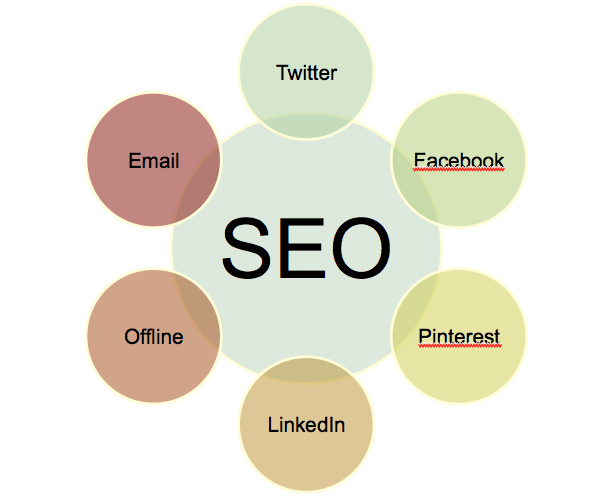
Keyword strategy is not only important to implement on-site, but should extend to other off-site platforms, which is why you should also be thinking about multi-channel optimisation. These multi-channel platforms include:
Being consistent with keyword phrases within these platforms will not only help your branding efforts, but also train users to use specific phrases youre optimising for.
Domain naming is so important to your overall foundation, so as a best practice youre better off using sub-directory root domains (example.com/awesome) versus sub-domains (awesome.example.com). Some other best practices with domain names are:
In addition to optimising for the desktop experience, make sure to focus on mobile and tablet optimisation as well as other media.
Create rich media content like video, as its easier to get a video to rank on the first page than it is to get a plain text page to rank.
Optimize your non-text content so search engines can see it. If your site uses Flash or PDFs, make sure you read up on the latest best practices so search engines can crawl that content and give your site credit for it.
Your content on your site should have title tags and meta descriptions.
You should always keep SEO in the forefront of your mind, and always follow best practices. Skipping the basics of SEO will only leave your sites foundation a mess and prevent you from fully maximizing revenue opportunities.